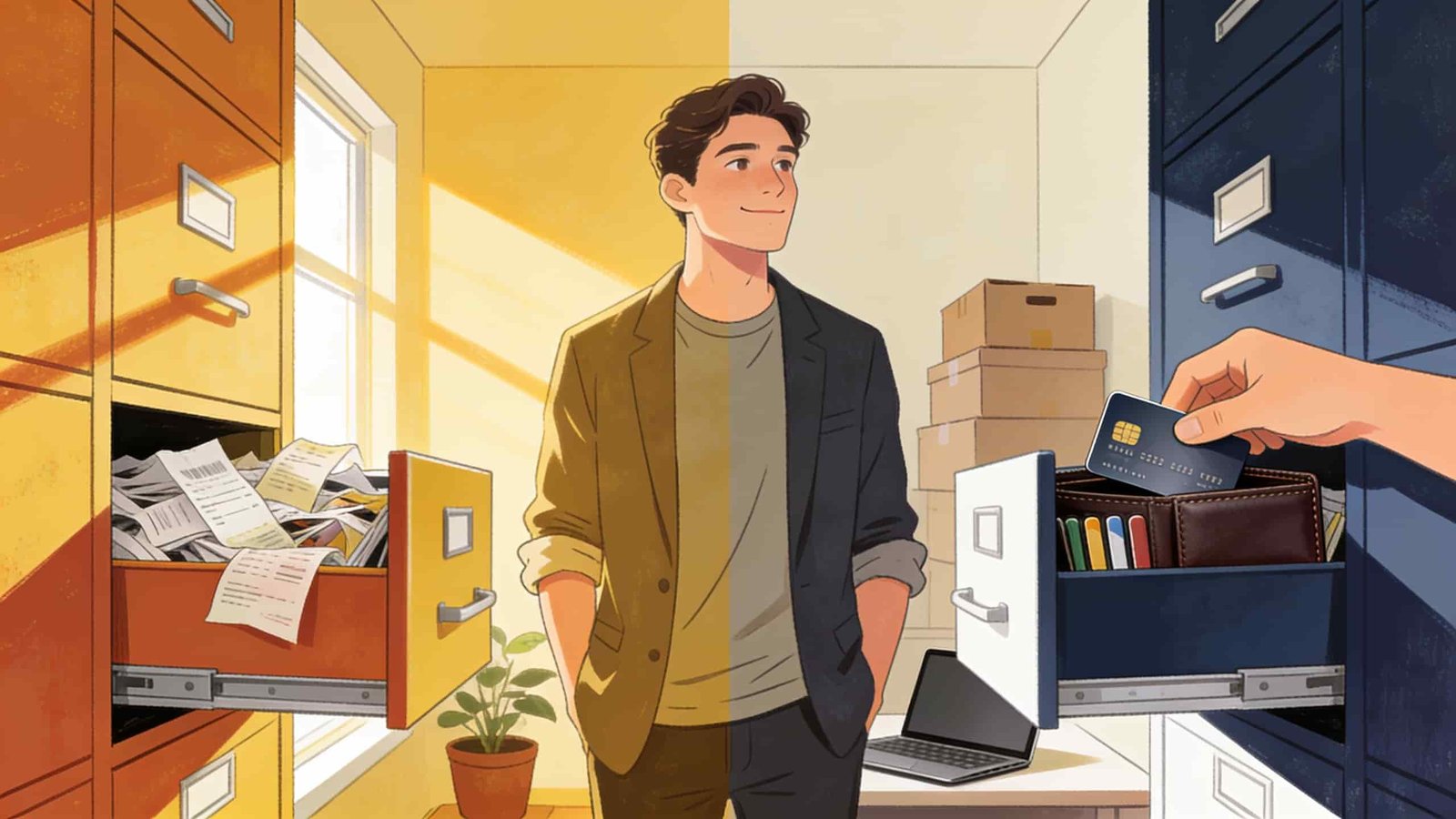
Introduction: What is a Credit Card?
A credit card is a small plastic or digital card that lets you borrow money from a bank or lender to pay for goods and services. Instead of using your own cash right away, you spend with the card and pay back later, usually at the end of the month. If you pay your bill in full and on time, you can use a credit card without extra cost. But if you delay or only pay part of the bill, the bank adds interest and fees.
Credit cards are very popular because they are easy to carry, accepted worldwide, and provide benefits like rewards, security, and convenience. At the same time, they also come with risks such as overspending, high interest rates, and debt.
This article explains both sides — the benefits and drawbacks of using a credit card. By the end, you will understand:
-
Why people use credit cards
-
The main advantages and disadvantages
-
How to use credit cards smartly to avoid debt
-
Whether getting a credit card is right for you
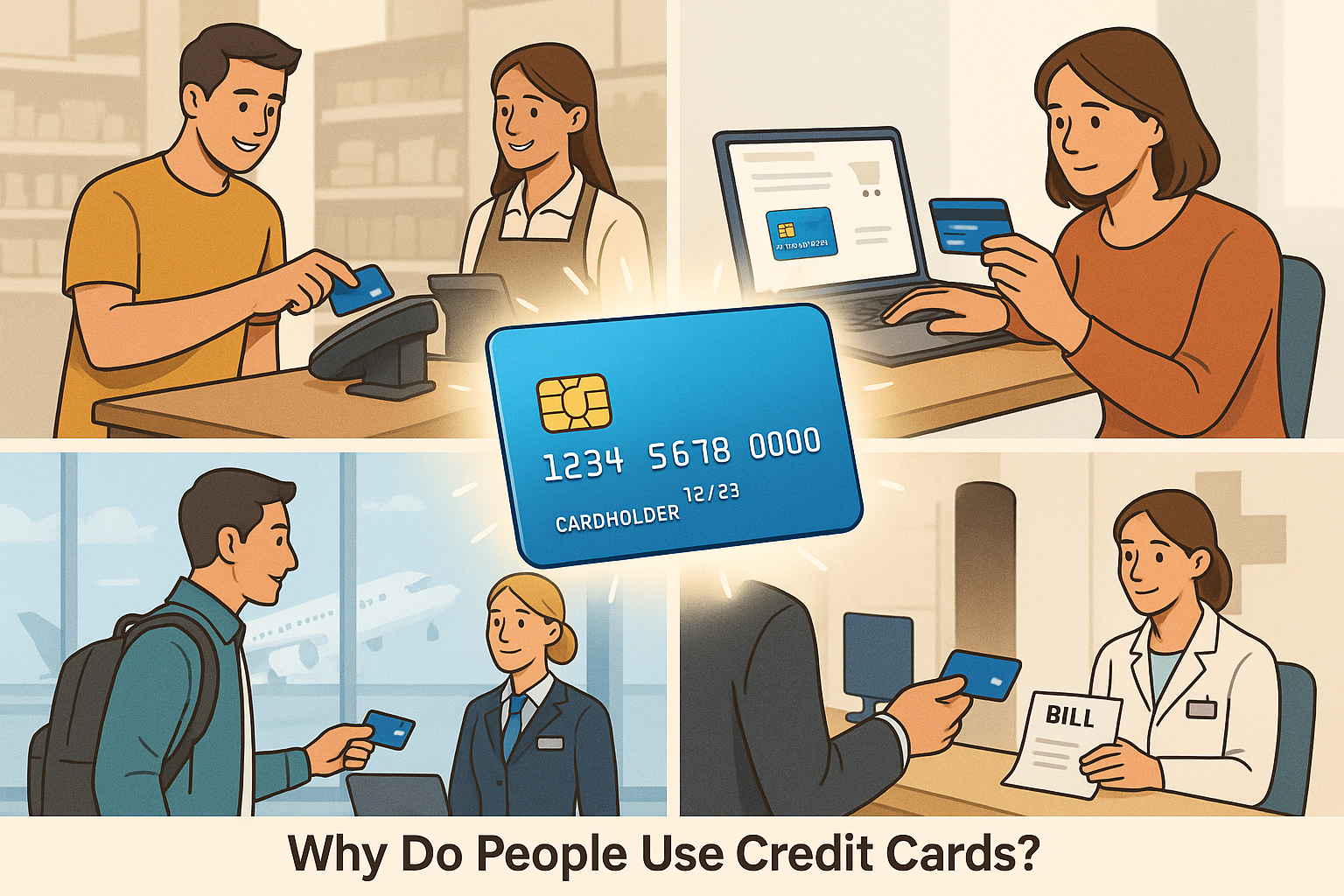
Why Do People Use Credit Cards?
People use credit cards for many different reasons. For some, it is about convenience; for others, it is about building their financial future. Below are the most common reasons why credit cards are so popular worldwide:
1. Easy and Quick Payments
Credit cards allow fast payments in stores, online shops, restaurants, and even while traveling abroad. You don’t need to carry cash, and you can swipe, tap, or enter card details to complete a purchase in seconds.
2. Safety Over Cash
Carrying large amounts of cash can be risky. If you lose your wallet, the money is gone. But with credit cards, you are protected — you can block the card immediately if lost or stolen.
3. Rewards and Perks
Many credit cards offer cashback, reward points, discounts, or travel miles. People often use credit cards to enjoy these benefits while spending on daily needs like groceries, fuel, or utility bills.
4. Emergency Support
A credit card acts like a backup plan during emergencies. If someone suddenly needs to pay hospital bills, buy urgent tickets, or cover unexpected expenses, they can use a credit card instantly without waiting to arrange money.
5. Building Credit History
A major reason people use credit cards is to build or improve their credit score. Paying the bills on time shows lenders you are responsible, which helps when applying for loans, mortgages, or renting property.
6. Global Acceptance
Credit cards are widely accepted around the world. Travelers prefer them because they can pay in foreign countries easily, often with better exchange rates compared to cash.
📌 Quick Check
-
Credit cards = convenience + security + rewards.
-
Useful in emergencies and for building a strong credit history.
-
Accepted worldwide, unlike local currency or debit cards in some cases.
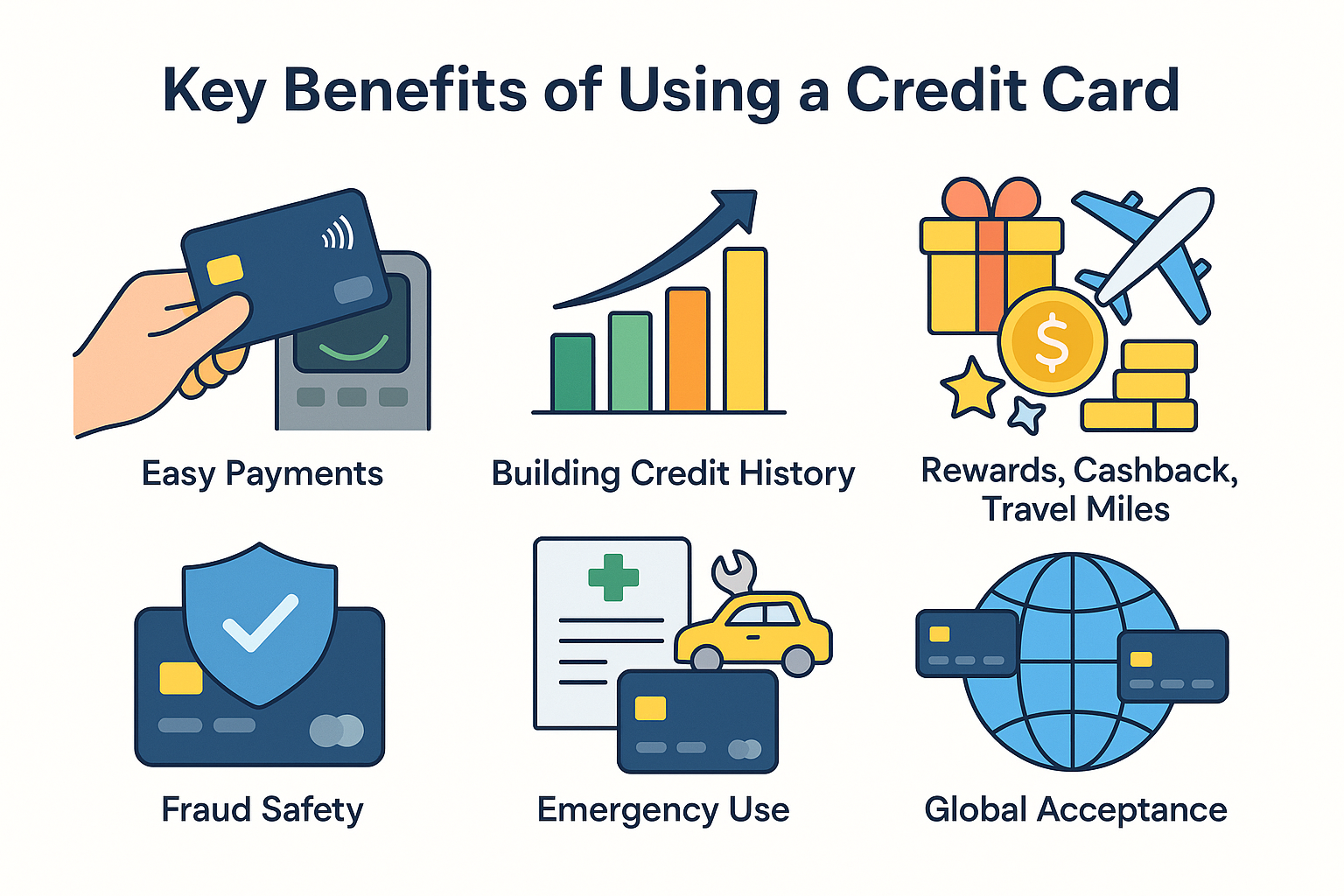
Key Benefits of Using a Credit Card
Credit cards are popular because they offer several real advantages. When used wisely, they can make life easier, safer, and even help you save money. Let’s look at the main benefits:
1. Easy and Secure Payments
Credit cards make everyday payments fast and simple. You can swipe, tap, or use them online without carrying cash. Most cards also come with fraud protection technology, such as chips and OTP (one-time password), which adds an extra layer of safety compared to cash.
2. Building Credit History
One of the biggest benefits is the chance to build your credit score. Each time you use the card and pay your bill on time, it shows banks that you are financially responsible. A good credit history helps when you need loans for a car, house, or business in the future.
3. Rewards, Cashback, and Travel Points
Many credit cards offer rewards programs. You can earn:
-
Cashback on groceries or fuel
-
Reward points for shopping
-
Travel miles for booking flights or hotels
These rewards turn your regular spending into savings or perks.
4. Safety Against Fraud
If your cash is stolen, it’s gone. But with a credit card, you can quickly report theft, and the bank usually covers unauthorized charges. This makes credit cards a safer option compared to carrying large amounts of money.
5. Emergency Funds Access
Credit cards act as a backup fund when unexpected costs appear — like medical bills, urgent travel, or car repairs. Instead of borrowing from friends or waiting for a loan, you can use your card instantly.
6. Purchase Protection and Insurance
Some cards provide warranty extension, purchase protection, and even travel insurance. For example, if you buy a gadget with your card and it breaks early, your credit card may cover repairs or replacement.
7. Global Acceptance
Whether you’re in your home city or abroad, credit cards are widely accepted. They help avoid the hassle of currency exchange and are recognized by international hotels, airlines, and online platforms.
📌 Quick Recap of Benefits
-
Secure and fast payments
-
Build strong credit history
-
Earn rewards and cashback
-
Safety against theft and fraud
-
Useful in emergencies
-
Extra insurance and protection
-
Accepted worldwide
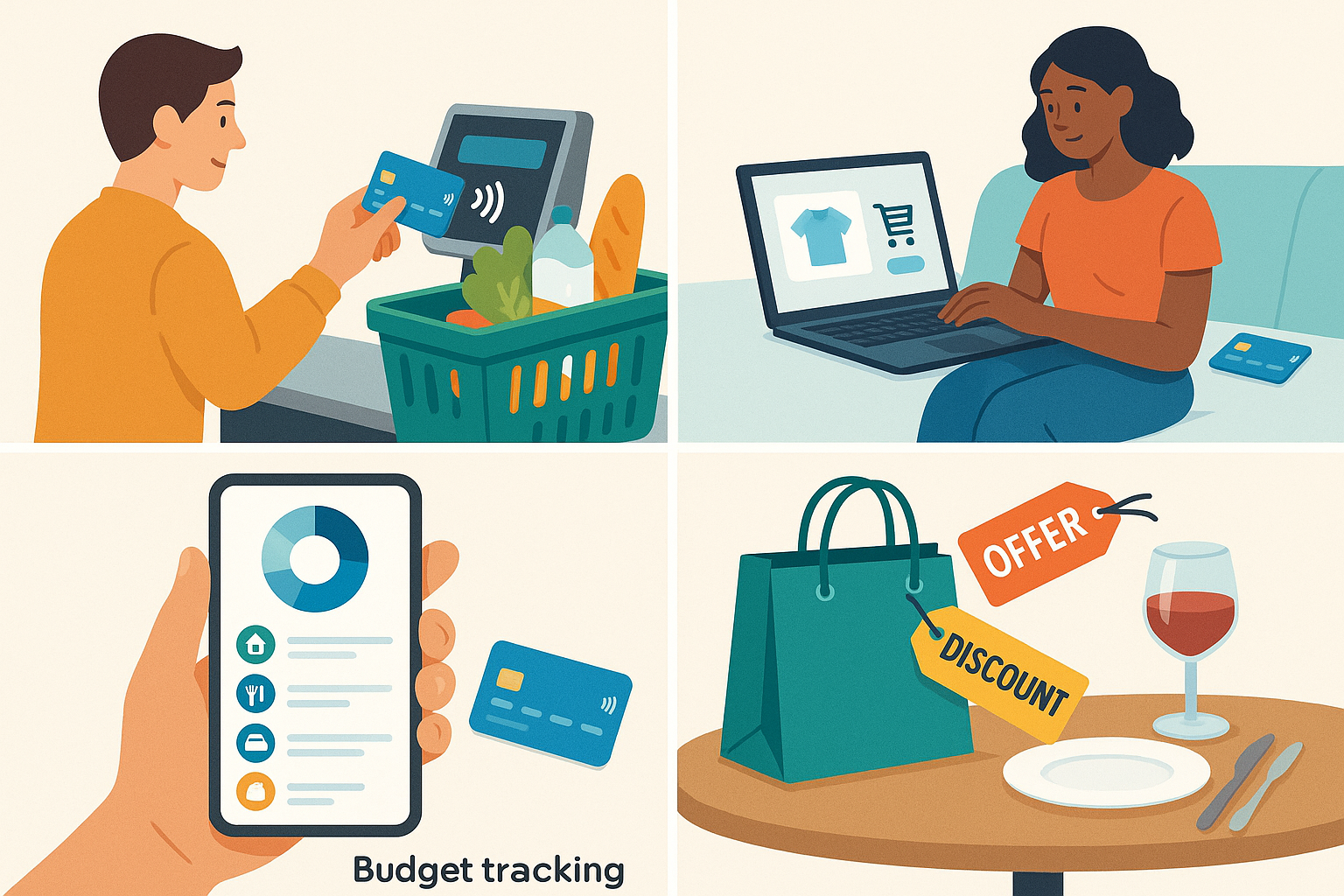
Advantages of Getting a Credit Card
Apart from the big benefits we already discussed, credit cards also make daily life smoother. Here are some practical advantages most people notice after getting their first card:
1. Convenience in Daily Life
With a credit card, you don’t need to carry extra cash or coins. Whether it’s groceries, gas, or paying bills, a single card in your wallet can handle it all. Many people also like the “tap-and-go” feature for faster checkouts.
2. Online Shopping Made Simple
Credit cards are almost essential for online purchases. From buying clothes to booking flight tickets, most e-commerce platforms prefer credit card payments. They also provide payment confirmation and refund options, which makes shopping safer compared to cash-on-delivery.
3. Budget Tracking and Statements
Every month, your credit card company sends a detailed statement showing where your money went. This helps you track spending, plan your budget, and find areas where you can save. Some apps also connect with your card to show charts of your expenses.
4. Access to Special Discounts and Offers
Many stores, restaurants, and airlines have tie-ups with banks to give exclusive deals to credit card holders. For example, 20% off at a restaurant, or free lounge access at airports. These perks add extra value to everyday spending.
📌 Quick Recap
-
Carry less cash, pay more easily
-
Shop online with security and refund options
-
Get clear monthly spending reports
-
Enjoy discounts and partner offers
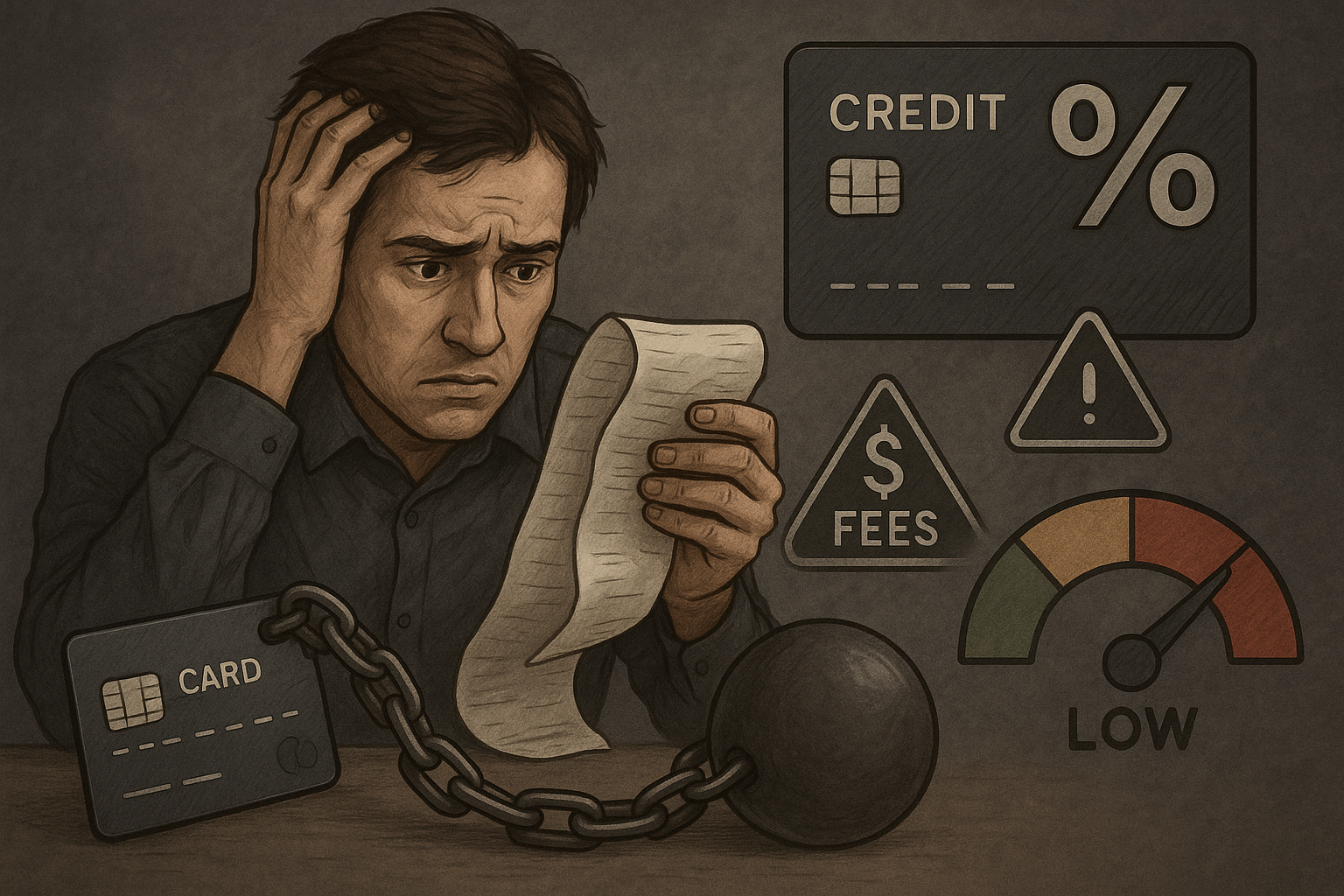
Disadvantages of Credit Cards (Drawbacks & Risks)
Credit cards offer many benefits, but they also have downsides if not used carefully. Understanding these risks can help you avoid financial problems.
1. High-Interest Rates
If you don’t pay your full balance on time, banks charge very high interest. This can quickly turn a small purchase into a large debt. Many cards have interest rates between 20% to 30% annually, which is much higher than most personal loans.
2. Hidden Fees & Charges
Apart from interest, credit cards often include annual fees, late payment fees, foreign transaction charges, and cash withdrawal charges. These extra costs can add up if you are not careful.
3. Risk of Overspending
Since credit cards let you buy now and pay later, people often spend more than they can afford. This creates financial stress when the bill arrives. Overspending is one of the biggest reasons people fall into credit card debt.
4. Credit Score Damage
Your credit score depends on how you manage your card. Missing payments, using too much of your credit limit, or applying for too many cards can lower your score. A poor score makes it harder to get loans in the future.
5. Debt Trap Possibility
If someone only pays the minimum amount due each month, the debt keeps growing because of compound interest. This is called a debt trap, and it can take years to escape.
📌 Quick Recap
-
High interest makes unpaid bills expensive
-
Hidden fees increase total cost
-
Easy to overspend beyond budget
-
Poor use can hurt credit score
-
Paying only minimum due = long-term debt trap
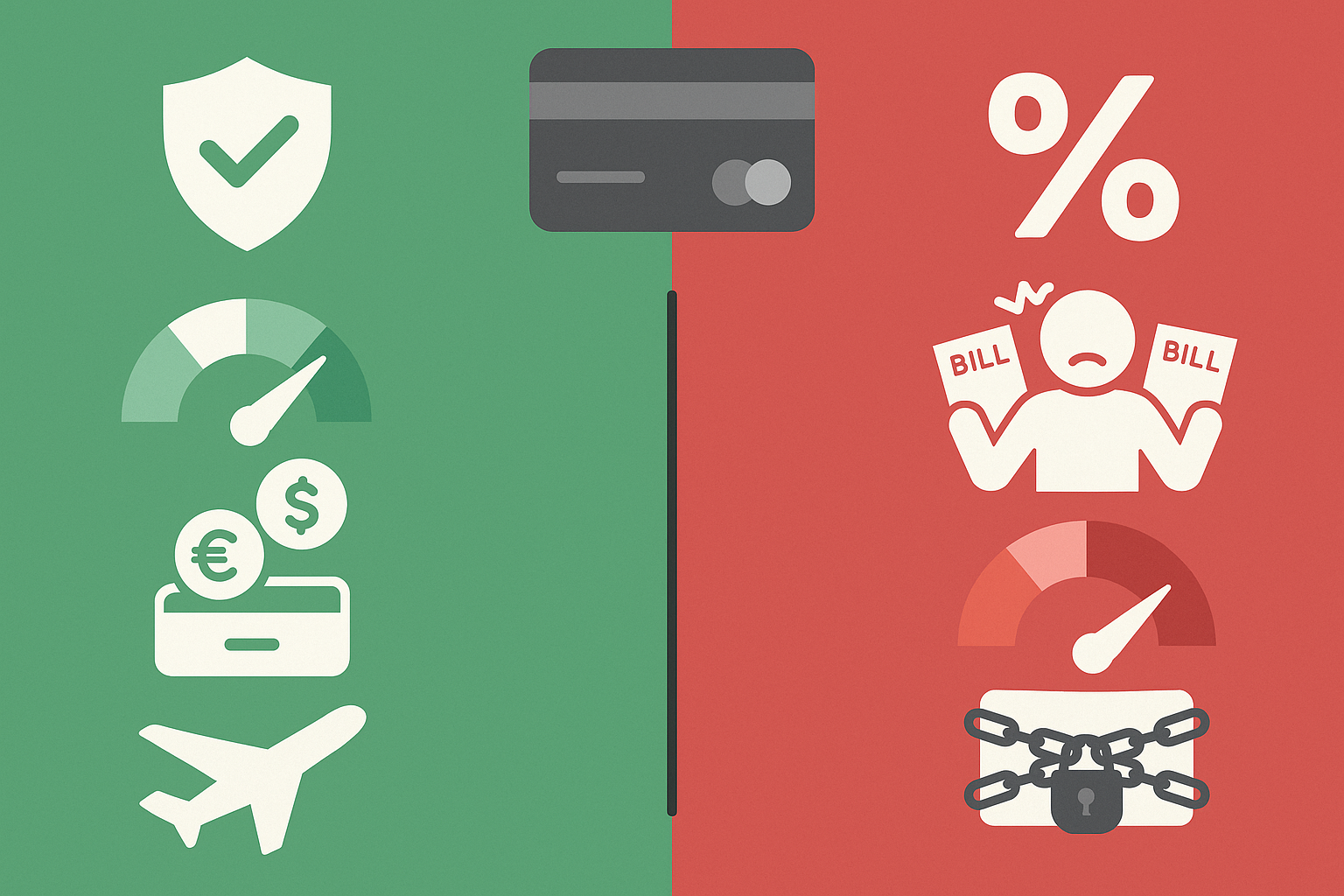
Credit Card Advantages vs. Disadvantages (Side-by-Side Quick Check)
Sometimes the easiest way to understand credit cards is to compare their positives and negatives directly. Here’s a simple table that shows both sides:
| Advantages (Pros) | Disadvantages (Cons) |
|---|---|
| Fast and secure payments | High interest rates if unpaid |
| Helps build credit history | Risk of overspending |
| Cashback, rewards, and travel points | Hidden fees and extra charges |
| Safety against fraud and theft | Can damage credit score if misused |
| Emergency financial backup | Possibility of falling into debt trap |
| Global acceptance (use anywhere) | Not suitable for people with poor spending control |
| Monthly statements help track spending | Multiple cards = harder to manage |
📌 Quick Note
-
Credit cards are good tools when used responsibly.
-
But they can become a burden if payments are missed or spending is uncontrolled.
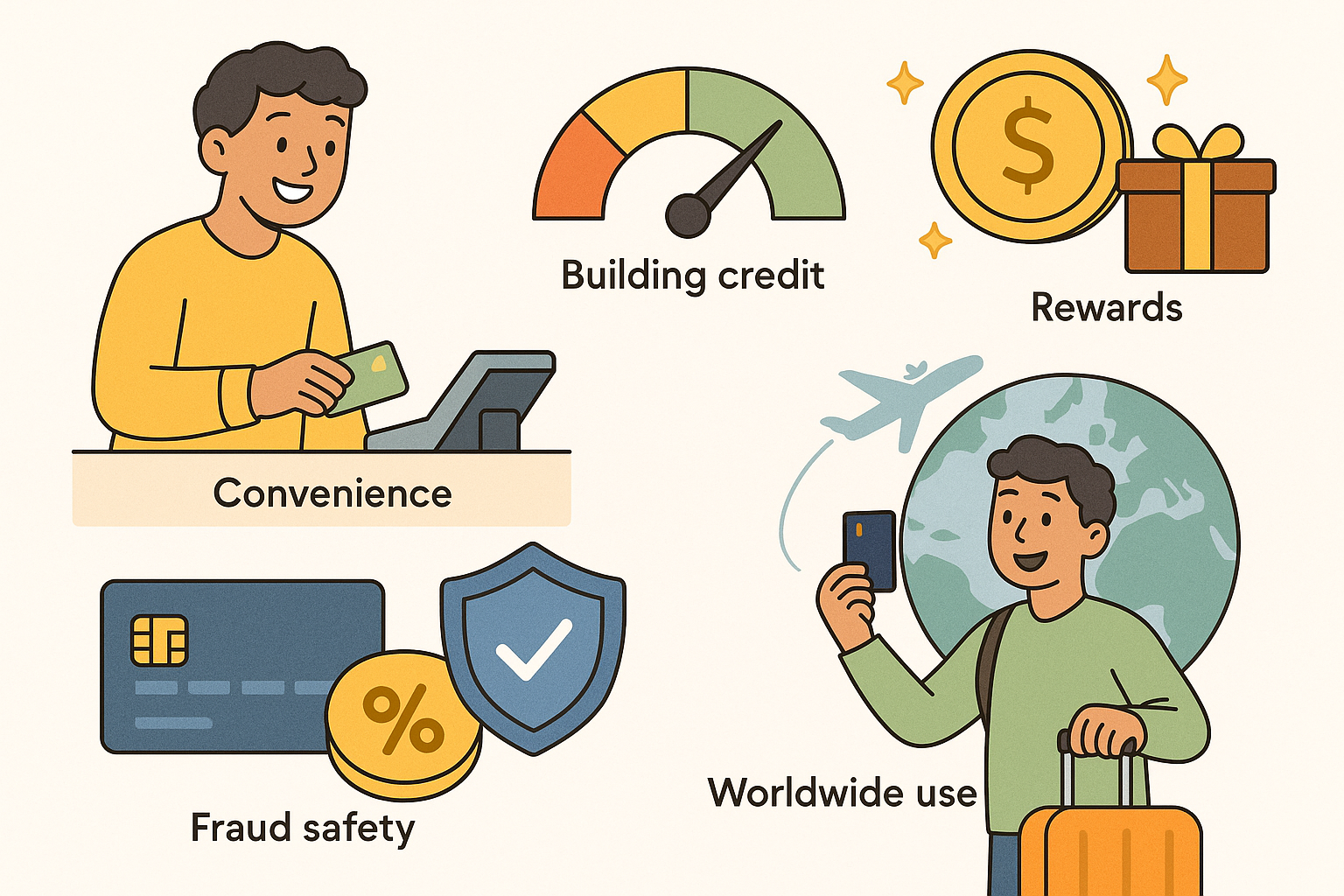
Why Credit Cards Are Good (When Used Responsibly)
Credit cards are not bad by themselves — the key is how you use them. When managed wisely, they can actually improve your financial life. Here’s why credit cards can be good:
1. Improve Your Credit Score
Using a credit card regularly and paying bills on time shows lenders that you are responsible. This builds a good credit score, which makes it easier to get loans, rent an apartment, or even apply for a mortgage in the future.
2. Save Money Through Rewards
Smart users earn cashback, discounts, or travel rewards just by using their cards for everyday spending. For example, you might save 5% on groceries or collect points for free airline tickets.
3. Extra Layer of Safety
Credit cards protect you from fraud. If someone steals your card or uses it online, most banks cover the loss once you report it. This gives more security compared to cash or even some debit cards.
4. Access to Emergency Funds
A credit card acts like a financial cushion in emergencies. Whether it’s sudden car repairs, medical bills, or travel, you can use your card instantly and pay it back later.
5. Worldwide Convenience
If you travel or shop online, credit cards are accepted almost everywhere. They are safer and easier than carrying cash, especially in foreign countries.
📌 Quick Recap
-
Good for building credit history
-
Saves money with rewards
-
Provides safety against fraud
-
Helps in emergencies
-
Accepted worldwide
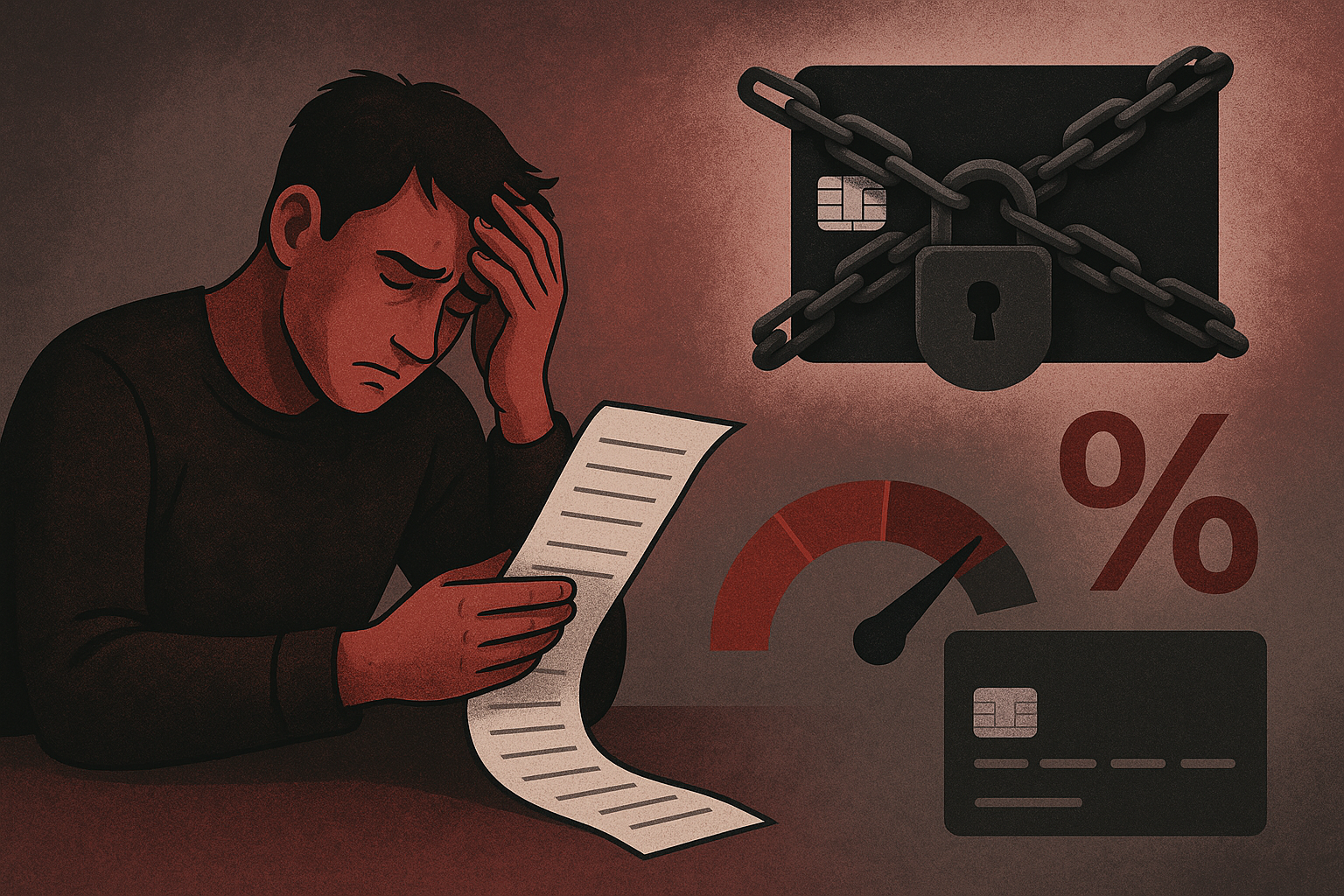
Why Credit Cards Can Be Harmful (If Misused)
Credit cards can be useful, but if they are not handled wisely, they can create serious financial problems. Here are the main reasons why misuse can turn them harmful:
1. Overspending Temptation
Since you don’t feel the money leaving your pocket immediately, it’s easy to spend more than your budget. Many people buy unnecessary things just because they have “credit available.”
2. High-Interest Burden
When you don’t pay the full bill, banks charge very high interest rates. Even a small unpaid balance can grow quickly and become hard to clear.
3. Falling Into Debt Trap
Paying only the “minimum due” each month keeps you in debt for years. This cycle is called a debt trap, and it’s one of the biggest dangers of credit cards.
4. Damage to Credit Score
Late payments, overusing the credit limit, or missing bills can harm your credit score. A low score makes it difficult to get future loans or even affects job applications in some industries.
5. Stress and Financial Pressure
Constant bills, rising interest, and fear of debt can cause emotional stress. Misused credit cards often lead to sleepless nights and financial anxiety.
📌 Quick Recap
-
Easy to overspend beyond your means
-
High interest makes debts grow
-
Paying only minimum = debt trap
-
Missed payments damage credit score
-
Can create financial stress
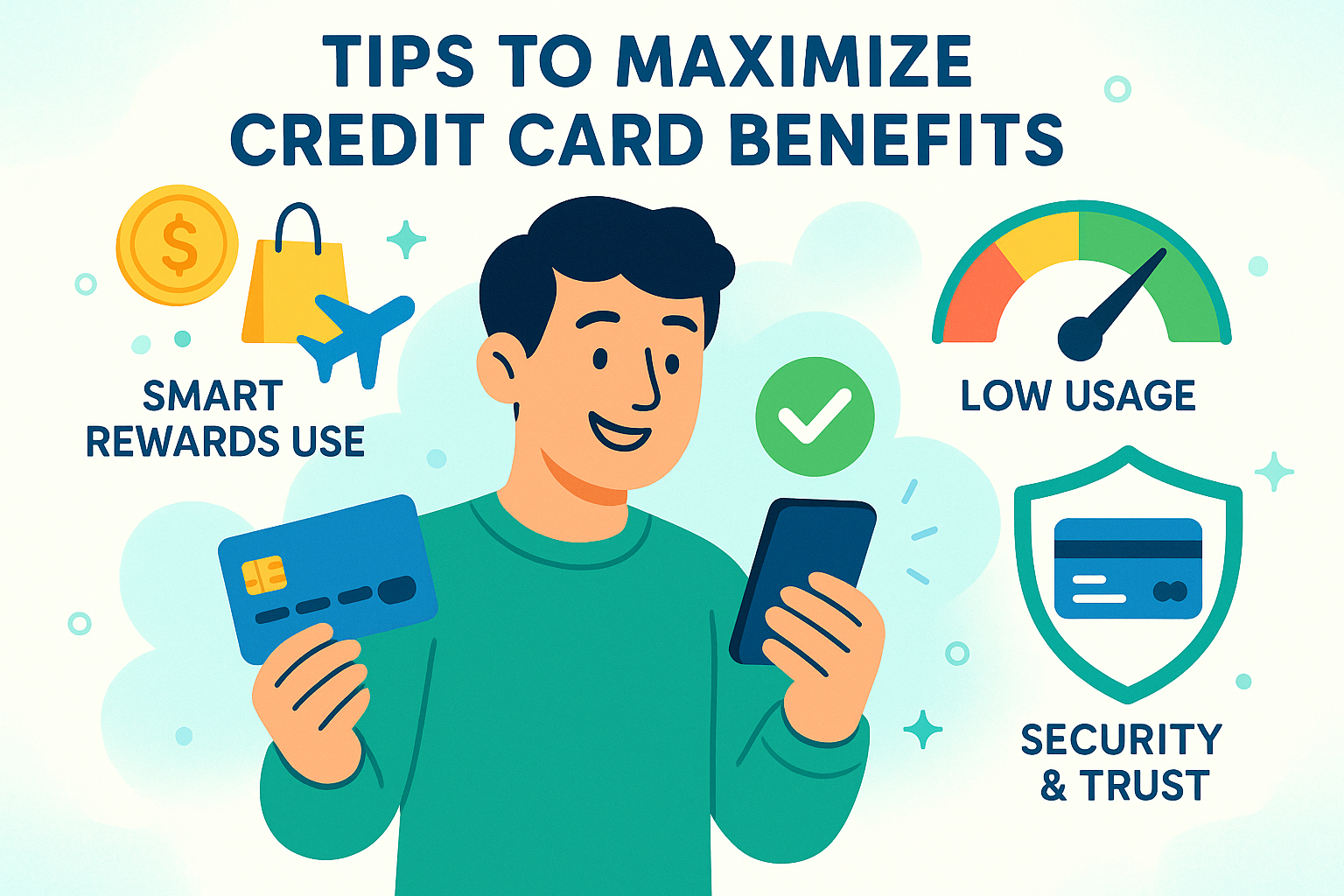
Tips to Maximize Credit Card Benefits
A credit card can be your best financial tool if you use it wisely. Here are some easy tips to get the most out of your card while avoiding debt:
1. Pay the Full Balance On Time
Always pay your monthly bill in full. This way, you avoid interest charges completely. Even one late payment can hurt your credit score and add fees.
2. Use Rewards Smartly
Don’t spend extra just for points. Instead, use your card for regular expenses like groceries, fuel, or bills — things you already need. Redeem rewards or cashback to save money.
3. Keep Credit Utilization Low
Try not to use more than 30% of your credit limit. For example, if your limit is $1,000, keep monthly usage below $300. Low usage shows lenders you are financially responsible.
4. Avoid Unnecessary Cards
Having too many cards can be confusing and increase the chance of missed payments. Stick to one or two cards that give the best rewards for your lifestyle.
5. Check Statements Regularly
Review your monthly statement to track expenses and spot any suspicious charges. This also helps with budgeting and controlling overspending.
6. Don’t Withdraw Cash from Credit Cards
Cash advances on credit cards usually have extra fees and higher interest rates. Use your card mainly for purchases, not cash withdrawals.
📌 Quick Recap
-
Pay in full, on time
-
Use rewards for essentials
-
Keep usage below 30%
-
Limit the number of cards
-
Monitor statements
-
Avoid cash withdrawals
Conclusion
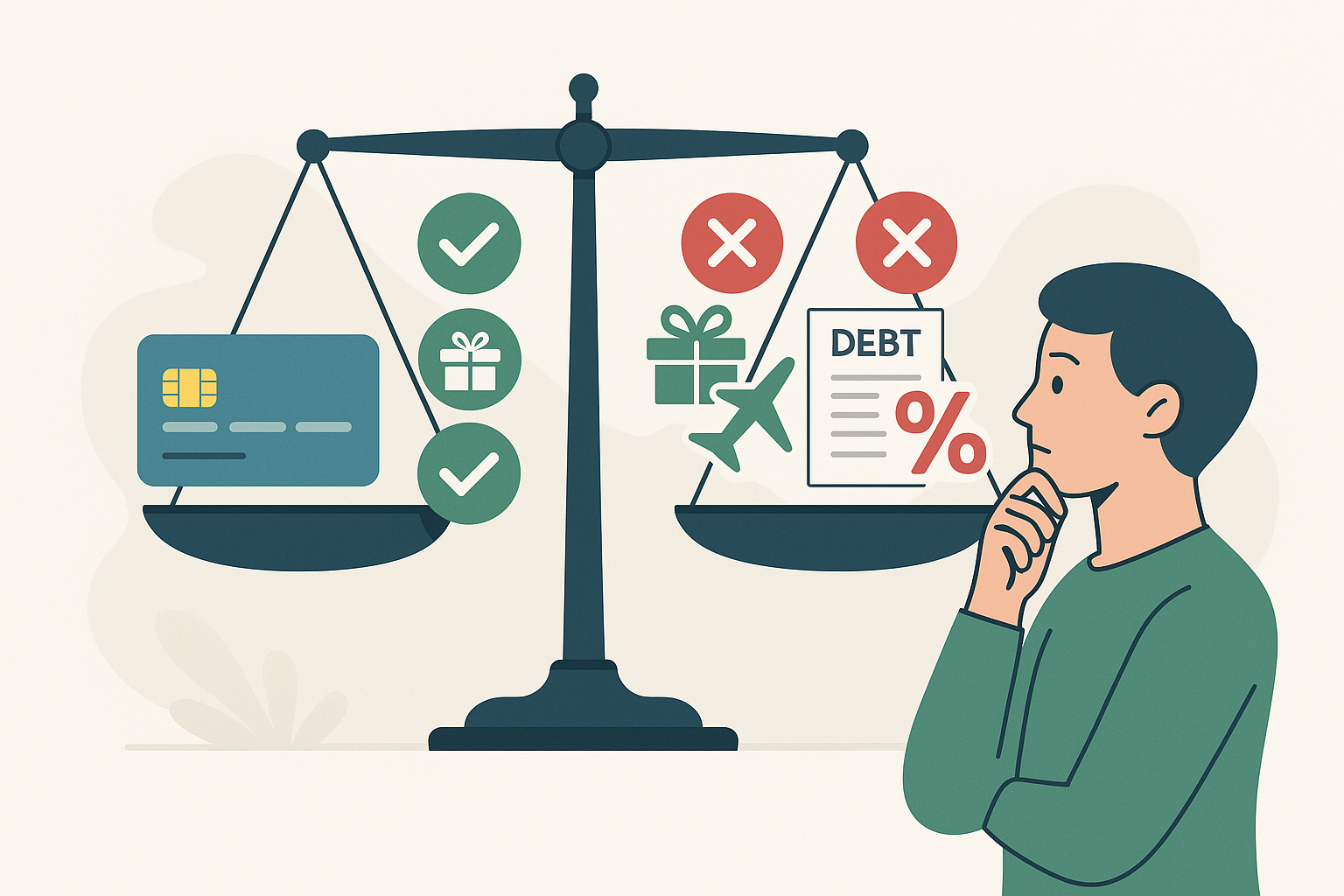
Credit cards can be a powerful financial tool — but only when used with discipline. They offer convenience, rewards, purchase protection, and a way to build credit history. At the same time, they carry risks like debt traps, high interest rates, and negative effects on your credit score if misused.
So, the real question is not “Are credit cards good or bad?” but rather “How will you use them?”
👉 If you are disciplined, pay your balance in full, and spend within your means, then a credit card can:
-
Save you money through rewards.
-
Increase your financial security.
-
Improve your credit score.
👉 But if you tend to overspend or struggle with paying bills on time, then a credit card can become more of a burden than a benefit.
💡 Final Advice:
-
Start with just one credit card.
-
Use it mainly for essentials.
-
Always pay your bill on time.
-
Treat your card as a tool, not free money.
By following these principles, you’ll enjoy the advantages of credit cards while avoiding their disadvantages.