
Top Proven Ways to Find a Female Rishta in Pakistan (2025–2026 Marriage Trends)
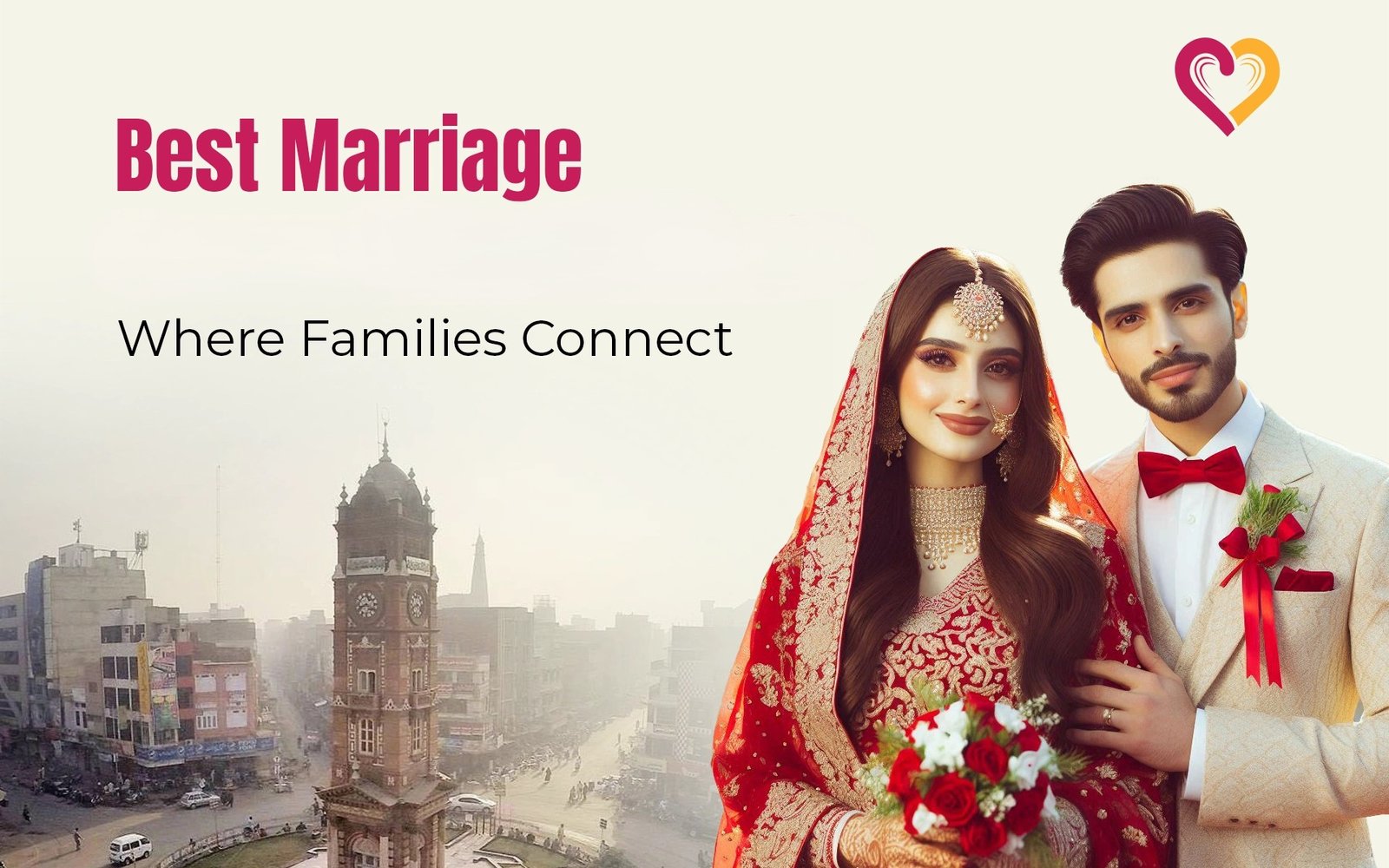
In 2025 and beyond, finding a female rishta in Pakistan involves blending time-honored traditions with innovative approaches. Pakistani matchmaking blends family expectations, community ties, religious values, and modern technology. Since dating outside marriage is generally not socially accepted, tools that align with cultural and Islamic values have become especially popular. For instance, many marriage apps include privacy options such as blurred photos or family-approved chats to respect conservative norms. In the context of rishta 2025, smartphone matchmaking is becoming mainstream for tech-savvy youth. This guide walks you through proven ways to navigate this journey – from sharing biodata through relatives and rishta aunties, to using modern matrimonial websites and marriage apps. Whether you are a young professional seeking a spouse or a parent helping your son or daughter, understanding the full range of options and etiquettes can make the search smoother and more successful.
Traditional Matchmaking Methods
Pakistani culture has a long history of arranged marriages. Many families still rely on family networks and social circles to find a suitable bride. Typically, parents, cousins, or family friends spread the word when looking for a rishta. If a relative knows someone eligible, they may arrange a meeting or send a formal proposal. These personal connections are deeply trusted, since families often know each other’s backgrounds and values. For instance, attending family weddings or local festivals often becomes an occasion to pass on biodata cards. These events are both social and practical – guests might introduce eligible members from their circle, effectively blending celebration with matchmaking. Similarly, cultural etiquette encourages parents to be proactive: mothers or aunts may share family information when chatting with others. In many cases, families also consider regional or community background when vetting proposals; while this remains sensitive, many modern parents now focus more on compatibility and education alongside these traditions.
< Previous Post Next Post >
Another traditional channel is the famous rishta aunties or professional matchmakers. These are experienced women (and occasionally men) who keep profiles of eligible singles and circulate them in the community. A rishta aunty will typically ask about a family’s preferences and the girl’s bio-data, then share it with families she thinks are a good fit. They often earn a commission for successful matches. Many families trust these matchmakers because they have established extensive networks and discreetly gauge families’ compatibility based on experience. However, working with a rishta aunty means you might only see candidates from her network, and some people feel pressured to fit traditional expectations. Yet many families still value rishta aunties for their expertise. Some aunties specialize (for example, one might focus on highly educated girls, another on certain neighborhoods). Asking around your community will reveal which aunties are both effective and ethical.
In cities and towns, there are also marriage bureaus or matrimonial centers (often called “rishta bureaus”). These are offices or agencies where families can submit biodata and search a bulletin of candidates. You might give your information to staff and receive suggestions or browse a database in person. In past decades, many families also placed ads in newspapers listing potential brides or grooms; now this is less common, but the idea lives on in these bureaus. Additionally, community or neighborhood committees (such as a mosque’s women’s group) sometimes keep files of unmarried individuals and volunteer to circulate this information. Some bureaus or community centers organize periodic “rishta melas” (marriage fairs) where families set up stalls displaying bios and photos of eligible members. Overall, traditional methods rely on trust and cultural familiarity, but they can be time-consuming and limited in scope. It often takes many introductions before finding a suitable match. This is why many Pakistani families in 2025 are now combining these time-tested approaches with digital tools to broaden their search.
Modern Digital Matchmaking Platforms
Today’s Pakistani matchmaking scene increasingly includes online matrimonial websites and mobile apps tailored to local needs. These digital platforms allow users to create detailed profiles, upload photos, and specify details like age, education, home city, and religious sect. They offer powerful search filters, making it easier to find compatible matches without being limited by geography. Many platforms also allow filtering by religious school (e.g. Sunni, Shia) or city to match specific preferences.
Matrimonial websites such as Shaadi.com (which has a dedicated section for Pakistan), Nikah.com, and various local platforms have grown popular for arranging marriages. Newer Pakistan-focused sites like Dil Ka Rishta, SimpleRishta, and others provide marriage services as well. These sites often emphasize privacy and security, using profile verification (for example, verifying phone numbers or ID) to reduce fake accounts. Most allow free browsing of profiles, but some require paid memberships for messaging. Larger platforms have millions of users, so a well-written profile and clear preferences can quickly connect you to dozens of potential brides.
Marriage apps have also become a notable trend. Apps like Muzz (formerly Muzmatch), Dil Ka Rishta App, and Simply Nikah are designed with cultural sensitivities in mind. For example, some apps offer a “chaperone” feature, where messages are automatically shared with a family member, easing parents’ concerns about privacy. Others allow a woman to blur her photo until she approves viewing it. These “halal” marriage apps stress that their purpose is marriage, not casual dating, which gives cultural reassurance. They often highlight serious intent and sometimes include short questionnaires about values and practices.
| Platform | Type | Key Features | Target Audience |
|---|---|---|---|
| Shaadi.com (Pakistan) | Website/App | Large South Asian user base; international reach | Pakistani and diaspora Muslims |
| Nikah.com | Website | Islamic focus; secure matching | Muslim singles prioritizing faith |
| Muzz (Muzmatch) | Mobile App | Chaperone option; blurred photo for privacy | Younger Muslims (urban/tech-savvy) |
| Dil Ka Rishta | App/Website | Verified Pakistani profiles; community support | Local Pakistani singles (various ages) |
| WhatsApp/Facebook Groups | Social Media | Informal bio sharing; local community network | All ages within social circles |
These online tools vastly expand the pool of potential matches compared to purely local networks. Still, it’s important to choose reputable platforms and verify any profiles you contact. Always confirm details (like family background, job, education) through direct calls or by asking families for documents. When communicating on apps, keep it respectful and honest, and consider involving parents or siblings early on to maintain trust. Many success stories now come from combinations of app introductions with family approval.
Social Media and Messaging Groups
Beyond dedicated matrimony sites, social media and messaging apps are playing a growing role in Pakistani matchmaking. Many families now join WhatsApp or Facebook groups created specifically for rishta sharing. These groups might be organized by city (e.g. Islamabad Rishta Group), profession (engineers, doctors), or educational background (alumni of a university). Group members post biodatas of their relatives or friends in the hope someone in the group network knows a suitable match. If a post looks promising, others in the group can message the poster privately for more details. This peer-driven approach is like a virtual version of traditional community matchmaking.
WhatsApp, in particular, allows quick sharing of photos and details with dozens of families at once. For example, a doctor who hears of an eligible person might share her photo and bio in a doctors’ group. If someone knows her, they pass along the information. It’s a very grassroots method: the more groups you join (safely and anonymously), the wider your reach. For example, some families even use professional networking platforms like LinkedIn or create dedicated Instagram pages to find educated and professional matches.
Regardless, these social networks reflect a blend of old and new: the information one might have shared via word-of-mouth decades ago can now be broadcast with a smartphone to a much larger community. However, caution is needed with privacy. Always use closed or invite-only groups run by trusted moderators, and share profiles only with permission. Even so, many parents find a rishta referral through a well-managed community group, which proves how digital and traditional methods can complement each other.
Cultural and Religious Etiquette
While exploring modern tools, it’s crucial to respect Pakistani cultural norms and Islamic values. Marriage in Pakistan is traditionally a family affair, and following proper etiquette can make the process smooth and honorable.
Respecting Family and Traditions
In most Pakistani families, parents or elders play a major role in approving a rishta. It is usually expected that a prospective groom and his family will approach the girl’s family through the correct channels, often starting with a modest proposal conveyed by a relative, family friend, or matchmaker. Conversations typically remain formal; for example, discussions may be held in the presence of mothers or aunts rather than one-on-one between the bride and groom. When using apps or websites, it is wise to inform your parents about potential matches early on. Families appreciate being kept in the loop, as this shows respect and builds trust from the start.
Dress and conduct also matter. Clothing modestly for profile photos and meetings shows respect (for example, traditional shalwar kameez or formal dress). During video calls or in-person meetings, giving Salaam (a respectful greeting) and being polite helps leave a good impression. Older generations in Pakistan value humility, good manners, and honesty about one’s background. A courteous demeanor and adherence to family consultation can build trust more effectively than any glamorous profile. If the families meet, common courtesies like offering refreshments, engaging in polite conversation, and avoiding controversial topics set a positive tone. Demonstrating that you honor your upbringing and family values will make elders more comfortable.
Islamic Values in Matchmaking
Islam teaches that marriage is a blessed partnership based on mutual consent and respect. Many Pakistani Muslims recall Quranic teachings that emphasize kindness between spouses and frequently recite dua (supplication) when seeking a spouse. Keeping these values in mind can be both spiritual and practical. It means approaching the search with sincerity and treating each candidate with respect, maintaining dignity even in a busy matchmaking process.
Practically, Islamic etiquette in marriage-seeking includes modest communication and involving parents. For example, many families avoid a couple talking alone until engagement; instead, conversations happen with parental oversight or chaperones. Many Islamic matrimony apps highlight that they are “halal” alternatives to casual dating, meaning their sole purpose is marriage. This reassures parents that any conversation on the app will lead to family-approved meetings, not casual relationships. Some families even schedule introductions at mosques or community centers to ensure a religious environment.
Another important aspect is patience and prayer. In Pakistan, it is common to pray (offer Salat) and ask Allah for guidance when seeking a spouse. Couples and families often say that the process of finding a rishta should be grounded in faith as much as effort. Staying patient and trusting that the right match will come at the right time, rather than rushing or hiding details, aligns with religious teachings. Maintaining this faith and a positive outlook provides comfort during what can otherwise feel like a stressful search.
Emerging Marriage Trends (2025–2026)
As Pakistan moves into 2025 and 2026, new trends are reshaping the matchmaking landscape. These reflect changing attitudes, technology, and generational shifts:
-
Hybrid Arranged-Love Marriages: A growing number of young people in Pakistan prefer a middle path between traditional arranged marriages and love marriages. Families still make introductions, but the couple is given time to talk, meet, and build a connection (love) before finalizing. This hybrid model honors family involvement while giving individuals more choice, and it has become popular in urban areas.
-
Digital Connections and NRI Matchmaking: Technology is bridging distances. Many Pakistanis living abroad (NRIs) now use online matrimony sites to find local spouses, and vice versa. Video calls are common for initial meetings between distant families. Even within Pakistan, virtual rishta fairs and marriage planning webinars are on the rise. Matrimonial websites often include filters for city or country, helping connect overseas Pakistanis with matches at home.
-
Women’s Education and Choice: Increasingly, Pakistani women are pursuing higher education and careers, which affects how they approach marriage. Many educated women clearly express what they want in a partner—good education, support for her career, and mutual respect. Families are listening too: a boy’s education and mindset are now weighed carefully, not just the girl’s. This trend is encouraging marriages that focus on partnership and understanding.
-
Later Marriages and Thoughtful Matches: It’s notable that many young Pakistanis, especially in cities, are marrying later than past generations. People in their late 20s or early 30s are now common, as they finish education and establish careers first. Parents are also taking more time to find a compatible match for their grown children. This careful approach means proposals are discussed more thoroughly and settled with greater confidence.
-
Compatibility Over Convention: There is greater awareness of compatibility beyond just family background. Younger people now openly consider lifestyle, career plans, and personal goals when evaluating a match. Many prioritize shared values and mutual respect. Surveys suggest that marriage trends in 2026 lean toward partnerships built on understanding and equality, rather than solely on traditional criteria.
Overall, the marriage trends of 2025–2026 in Pakistan show that modern values are merging with cultural norms to create a flexible, blended approach to finding a life partner.
Practical Tips: How to Find a Rishta
Knowing the methods is one thing; applying them effectively is another. Here are practical steps and tips on how to find a rishta:
-
Clarify Your Priorities: Before actively searching, list the qualities that are important (education, profession, hometown, religious background, etc.). Discuss with your family what criteria matter most. Being clear about your preferences helps narrow down options and saves time.
-
Prepare a Strong Bio-Data (Profile): In Pakistan, a rishta profile (bio-data) is crucial. It should include personal details, family background, education, and occupation, plus a recent photograph. Make this document neat and honest. If you’re using matrimonial sites or sending a bio-data to relatives, write a brief introduction highlighting positive traits (for example, “I have a Master’s degree in computer science and come from a respected family”). Use a clear, modest photo for the profile.
-
Leverage Your Social Network: Tell relatives, family friends, teachers, or colleagues that you are looking for a rishta. Word-of-mouth can lead to surprising connections. For example, a cousin visiting another city might meet someone at a wedding and pass on your bio-data. Share your biodata via family WhatsApp groups or email; sometimes a forwarded message can reach the right family. Always be polite when asking for help, and express gratitude for any referrals.
-
Approach Rishta Aunties: If your family trusts a particular matchmaker (rishta aunty), consider reaching out. Provide her with your updated profile and clearly state your expectations. A reputable auntie will work quietly to find suitable candidates. While many successful matches have come through aunties, always confirm their credibility. If you feel uneasy, ask around for referrals or stop working with someone you don’t trust. A good auntie acts with discretion and integrity.
-
Use Matrimonial Sites and Apps: Register on at least one well-known matrimonial website or app that caters to Pakistani users. Complete your profile fully, upload recent photos, and set reasonable filters (age, city, sect). Browse candidates by your criteria, and when you find a profile you like, send a polite message expressing interest. If someone contacts you, respond promptly and courteously. Keep parents informed of promising online conversations. For safety, avoid sharing personal contact information on chat; instead, arrange family introductions before giving out numbers.
-
Join Community Groups: Seek out active WhatsApp or Facebook groups for rishtas in your community. Ask local community members or relatives if they know any (for example, a neighborhood committee or alumni group). Once you join, follow the rules: greet others, and only share your biodata in the approved format. Check the group frequently—if someone posts a candidate who seems compatible, message the poster privately to learn more.
-
Visit Marriage Bureaus: If you prefer offline methods, visit local marriage bureaus or community centers. In some cities, there are matrimonial agencies (sometimes run by volunteers) where you can register your biodata. They may have a file of profiles to browse or can announce your own biodata through their network. They often organize occasional marriage expos or “rishta melas,” which can introduce you to many families in a structured way.
-
Attend Community Events: Be socially active by attending weddings, religious gatherings, and local festivals. These occasions can lead to introductions; often relatives or family friends bring up marriage prospects during conversation. Present yourself politely, and if you meet someone suitable, note their details respectfully for family follow-up. It’s also common now to have community-organized matchmaking gatherings for youth, so stay informed about any local events targeting single professionals.
-
Maintain Patience and a Positive Attitude: Finding the right match can take time. There may be many introductions before finding a promising one. Continue pursuing your own goals (education, career) so you remain balanced and confident. Stay patient and trust the process. Keep a positive attitude when meeting new people—kindness, confidence, and a good sense of humor are attractive traits.
-
Seek Family Blessings and Advice: Throughout the process, involve your parents or elders. Let them meet the families of candidates at the appropriate stages. Their experience and blessing are invaluable. Many people also say a sincere dua (prayer) is important when seeking a spouse. Combining prayer with practical efforts often provides peace of mind. Asking trusted friends, cousins, or a religious mentor for guidance is also a common and helpful practice.
Marriage Success Tips
-
Clear Communication: Once a match is made, communicate expectations and backgrounds clearly—either directly or through family. Discuss important topics like continued education, career goals, and family values early on to ensure alignment. Clarifying matters up front prevents misunderstandings later.
-
Take Your Time: Do not rush the decision. Meet the person a few times, possibly in family settings, before an official engagement. This gives both families confidence. Use this time to observe character and compatibility: notice how he/she interacts and whether your priorities align. Gathering feedback from mutual friends who met each other can also be insightful.
-
Involve Family Diplomatically: Encourage parents from both sides to meet and talk. If any concerns arise, a respected senior family member or community elder can mediate. Remember that in Pakistan, marriages unite families; discussing matters respectfully with elders on both sides can smooth out any issues early.
-
Focus on Long-Term Goals: Think about life beyond the wedding. Consider how both of you handle finances, family responsibilities, and future plans (like children’s education or living arrangements). Discuss these matters in a polite way. Compatibility in long-term vision, such as willingness to support each other’s goals, leads to a stronger marriage foundation.
-
Stay Flexible and Compromise: Understand that no one is perfect. Decide beforehand which factors are non-negotiable (for example, shared core values or faith) and which can be flexible (such as city of residence). Be open to compromise; for example, a slight change in living location or minor adjustments in expectations can open doors to great matches you might otherwise overlook.
-
Keep Faith and Positivity: Throughout the process, maintain a positive attitude. Celebrate the small steps (like introducing families) as progress. Support each other emotionally and keep your faith strong. Often, the right match comes when least expected. Trust that with effort and patience, things will fall into place.
< Previous Post Next Post >
Conclusion
In 2025–2026, finding a female rishta in Pakistan is about blending the best of traditional and modern approaches. Family and community networks remain the foundation of Pakistani matchmaking, but now they are reinforced by digital platforms and new social channels. By using a variety of methods – from trusted rishta aunties and marriage bureaus to innovative matrimonial apps and community WhatsApp groups – you can broaden your search and connect with a wider pool of potential matches.
Throughout the rishta process, keep respect and honesty at the core. Maintain clear and courteous communication, involve your family appropriately, and stay true to your values and priorities. Prepare your biodata well, and leverage all available networks while being patient. Remember that successful marriages are built on compatibility, mutual respect, and understanding, regardless of how you meet.
Key Takeaways:
-
Combine Strategies: Use both traditional introductions and modern platforms to maximize your chances.
-
Present Yourself Well: Have a clear, honest profile and a good-quality photo to make a strong first impression.
-
Leverage Networks: Tell relatives and join community groups; word-of-mouth is still powerful in Pakistani matchmaking.
-
Respect Tradition: Keep parents informed and honor cultural etiquette in every interaction.
-
Prioritize Compatibility: Look for shared values, life goals, and respect between partners, not just superficial traits.
-
Be Patient: The right match may take time. Stay positive, make dua, and trust that persistence will pay off.
Finding a life partner is a journey filled with hope, faith, and learning. With these proven methods and tips, Pakistani rishta seekers can navigate the marriage landscape confidently and find a match that leads to a joyful and enduring union. Stay hopeful and open-minded; every search is unique, so trust the journey and stay positive.



Thankyou for your love, kind sincerd generous loving heart of my heart with gratitufe and solace of heart beautiful Princess Leonar of Spain