Tax Return Deadline Time
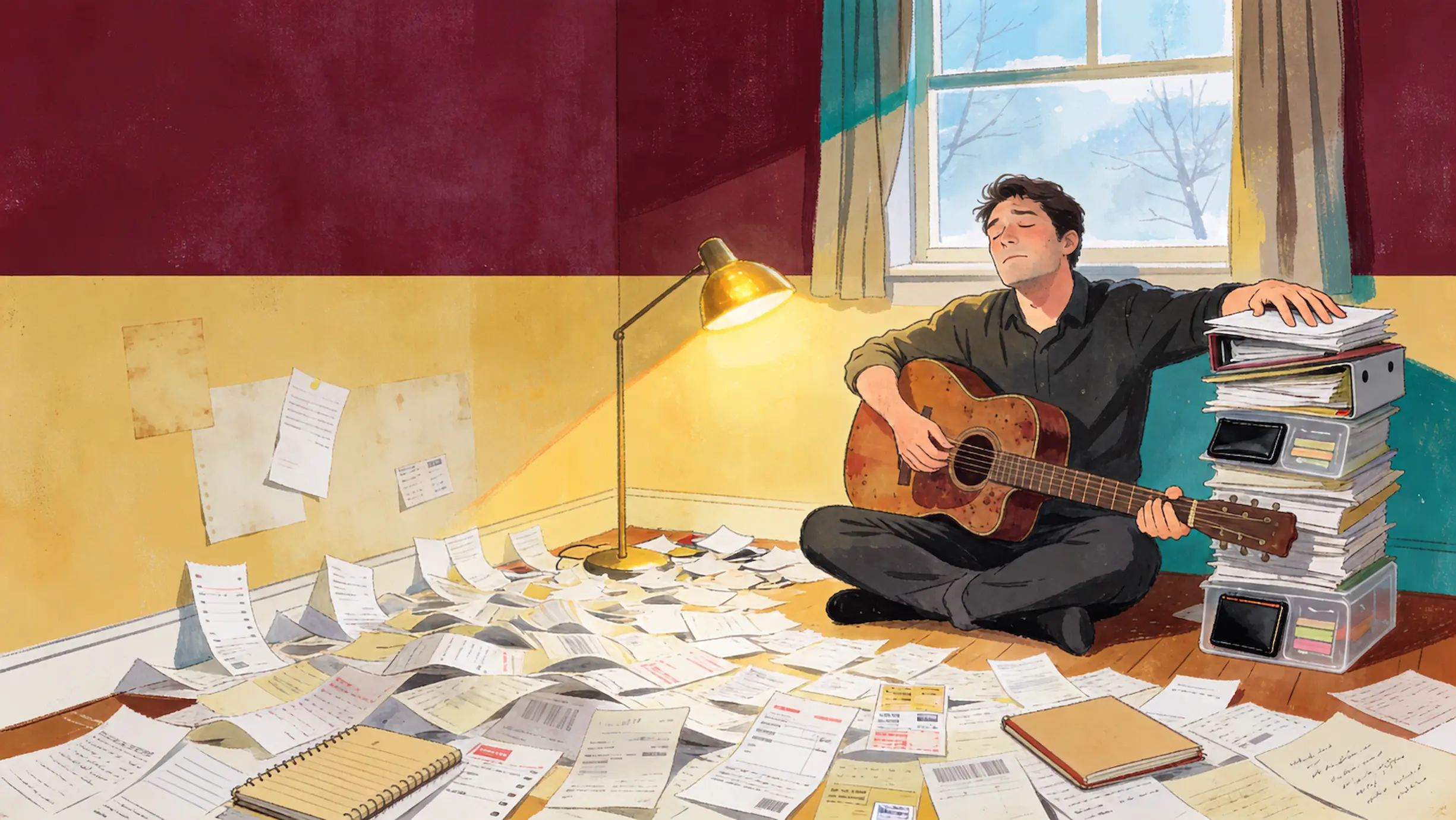
January isn’t really the best month to be a self-employed musician, mainly because it’s tax return deadline time. The 31st of January is when you need to get your tax return done if you’re self-employed like me. thought I’d do a follow-up to my income video and talk about taxes, in case it helps anyone in a similar position, especially if you’re newer to being a self-employed musician and don’t know where to start. It can feel daunting when you’re not sure what you’re doing.
There are different ways to go about it, some easier than others. I don’t do it the easiest way, it’s just the way I’m used to, but I’ll walk you through it.
Don’t Be Afraid of Paying Taxes
Don’t see paying taxes as something to avoid, and definitely don’t be what we call here in the UK a tax dodger, because that gets you nowhere in the long run. You might avoid paying tax on some income in the short term, but if you’re not declaring everything, it can come back to bite you, especially if you get caught out.
Why Declaring Income Matters for Your Future
Telling HMRC how much you earn each year matters later in life too, if you want to rent an apartment, get a mortgage, or take out a loan. You’ll need proof of income to show these organizations that your earnings are legitimate.
If you’re earning cash in hand, say from a gig or lessons, and not declaring any of it, you’ll have nothing on file when it comes time to rent a place or apply for a mortgage, and that makes it a lot harder to get approved.
So don’t be afraid of paying taxes. It’s a bit of a pain, but it’s a good thing in the end.
What You Need to Do as a Self-Employed Musician
As a self-employed musician, there are really only a couple of things you need to be doing to stay on top of it.
Register as Self-Employed
The first thing to do is register as self-employed on the HMRC website, as soon as possible. Even if you already have a job, or you’re only earning a small amount from self-employed work, register and put it through anyway.
You can put your tax return through using your current employment details from your P60, combined with your self-employed income. That’s the kind of information they ask for when you do your self-assessment.
Register for Self Assessment
Separately, you also need to register for self-assessment, which is what lets you file your tax return online. When I first did this, I almost got it wrong because I assumed registering as self-employed was enough to log on and file. It’s two separate registrations, and I’d highly recommend doing it online.
Track Your Income
You need to track every bit of income you make as a musician, including cash-in-hand gigs. Note the date you played, the date you got paid, and how much, ideally as soon as it happens.
I didn’t do that consistently, which meant that when it came time to fill out my books, I had to go back through everything from that tax year, in my case 2018 to 2019 (the tax year runs April to April, so even though it’s 2020 now, this return covered the previous year).
Leaving it all to the last minute made the whole thing take much longer than it needed to, so that’s my first tip: keep a running record rather than reconstructing it later.
Add up all of that income at the end of the year and you’ll have your total income for that tax year, which is what I did for 2018 to 2019.
Track Your Business Expenses
Alongside income, you also need to track your business expenses. For me as a guitarist, that’s things like guitars, equipment, amps, strings, even something as small as a plectrum, plus fuel for getting to gigs.
If you use your phone for business, whether for client calls, your calendar, or social media for your work, your phone bill counts as a business expense too.
Keeping Track of Earnings and Spending
Keep one place for all your earnings, whether that’s a notebook or a spreadsheet, and keep your spending together separately. Get a receipt for anything you spend money on and hold onto it so you can look back and see exactly what you spent.
Organizing Receipts
If you don’t get a receipt for something, make a note of it, or use your bank statement to show what the payment was for. I like to sort my receipts into plastic wallets two months at a time, so April and May go together, and I’ll add up and label the total on the front of each wallet. At the end of the year, I add up all those totals for my overall expenditure.
My Income Sources
For me, that covers it. I don’t run a company, it’s just me, and I play gigs, teach lessons, and now make YouTube videos too, which pays a small amount that adds up. I declare income from all three, along with tracking receipts for outgoings, including the rent on the office where I teach.
How Your Tax Bill Is Calculated
At the end of the year, your tax return asks how much you made and how much you spent, and the difference is your profit, which is what you get taxed on. Then you get a bill. That’s the whole process, and it caused me a fair bit of stress this time round.
Using Apps Like QuickBooks
There are tools that can make this easier. I haven’t tried this myself yet, but I’m planning to look at apps like QuickBooks for the new tax year, where you can reportedly photograph your receipts instead of keeping the paper copies, and the app tracks your spending for you. In theory that means less adding up yourself at year end, since the app has already done it. It’s something I still need to look into properly, so I can’t vouch for how well it actually works.
Hiring an Accountant
You can also hire an accountant, and plenty of people do just to avoid the stress. But once you actually get into it, it’s not too bad, and doing it yourself can save you the cost of an accountant, likely hundreds of pounds, for something you can manage on your own.
Using a Separate Bank Account
Something I still haven’t gotten round to myself, even after three years of doing this, is opening a separate account for business income and spending. That would make it much easier to go through transactions without personal spending, like everyday purchases or rent, mixed in with business earnings and expenses.
Closing
My tax return is done for another 12 months, and I can finally get back to focusing on other things now that this stress is off my plate.